AI consulting and engineering for companies whose data has to stay in-house.
We build AI systems that turn invoices, delivery notes, contracts and forms into clean records. The language model runs on your side: on a workstation, on your own server, or on a network with no internet access at all.
Working with Devkonic


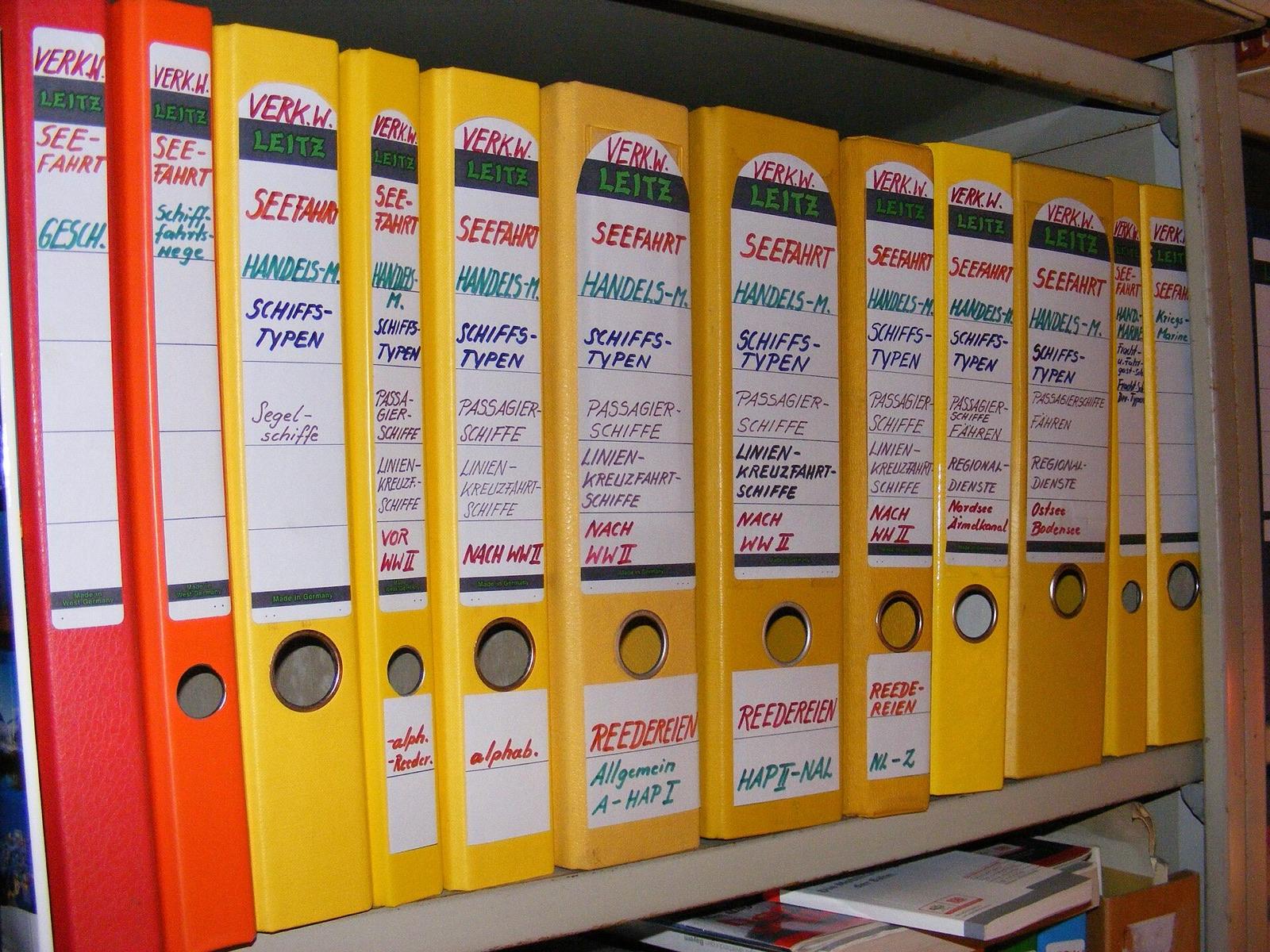
Your company's knowledge sits in binders and PDF inboxes
In most companies someone still types up invoice numbers, amounts and deadlines. A language model could do that work. The catch is that many documents may not go to a cloud provider at all: client files, patient records, HR documents, engineering drawings.
So we install the model where the documents already are. The data stays on your network, and you don't pay a third party per page.
What happens during extraction
On the left, an invoice. On the right, the record your system receives. Run the extraction, or hover over a value to see where it came from.
Lindenstraße 21, 82377 Penzberg
| Edelstahlblech 2 mm, zugeschnitten | 12 Stk | 462,00 € |
| Laserschnitt nach Zeichnung | 1 Psch | 280,00 € |
| Lieferung frei Baustelle | 1 | 45,00 € |
- Netto
- 787,00 €
- MwSt. 19 %
- 149,53 €
- Gesamt
- 936,53 €
Zahlbar ohne Abzug bis 28.10.2026
{
"lieferant": null,"rechnungsnummer": null,"datum": null,"netto": null,"mwst": null,"brutto": null,"faellig": null}
Sample invoice, simplified. Real projects add line items, tax rates and validation rules.
Services
Our focus is getting data out of documents. Around that, we help with everything else an AI project needs.
Document parsing
Invoices, delivery notes, contracts, forms and scans become clean records. Uncertain fields go to a person for review.
Offline and on-premise AI
Language models on your own hardware, with no internet if needed. We choose the model, set it up and keep it current.
AI workflows
We connect AI to your ERP, DATEV, inbox or file storage, so results land where someone is typing them up today.
AI applications and frontends
Interfaces your team will actually use: review screens, internal assistants, web and desktop apps.
AI consulting
Which processes are worth it, which model is enough, and what it costs. An honest assessment before you spend money.
You decide where the model runs
Open language models are now good enough to run on ordinary hardware. Depending on volume and how sensitive the data is, there are three options.
On one machine
For individual workstations and moderate volumes. A recent Mac or PC is enough. Our own app ParseFlow works this way, fully offline on an Apple silicon Mac.
On your server
For departments and larger volumes. A GPU server in your own data center or with a German hosting provider, reachable only from your network.
On an isolated network
For law firms, hospitals and public agencies with strict rules. No internet access. Model updates arrive through whatever channel your IT team specifies.
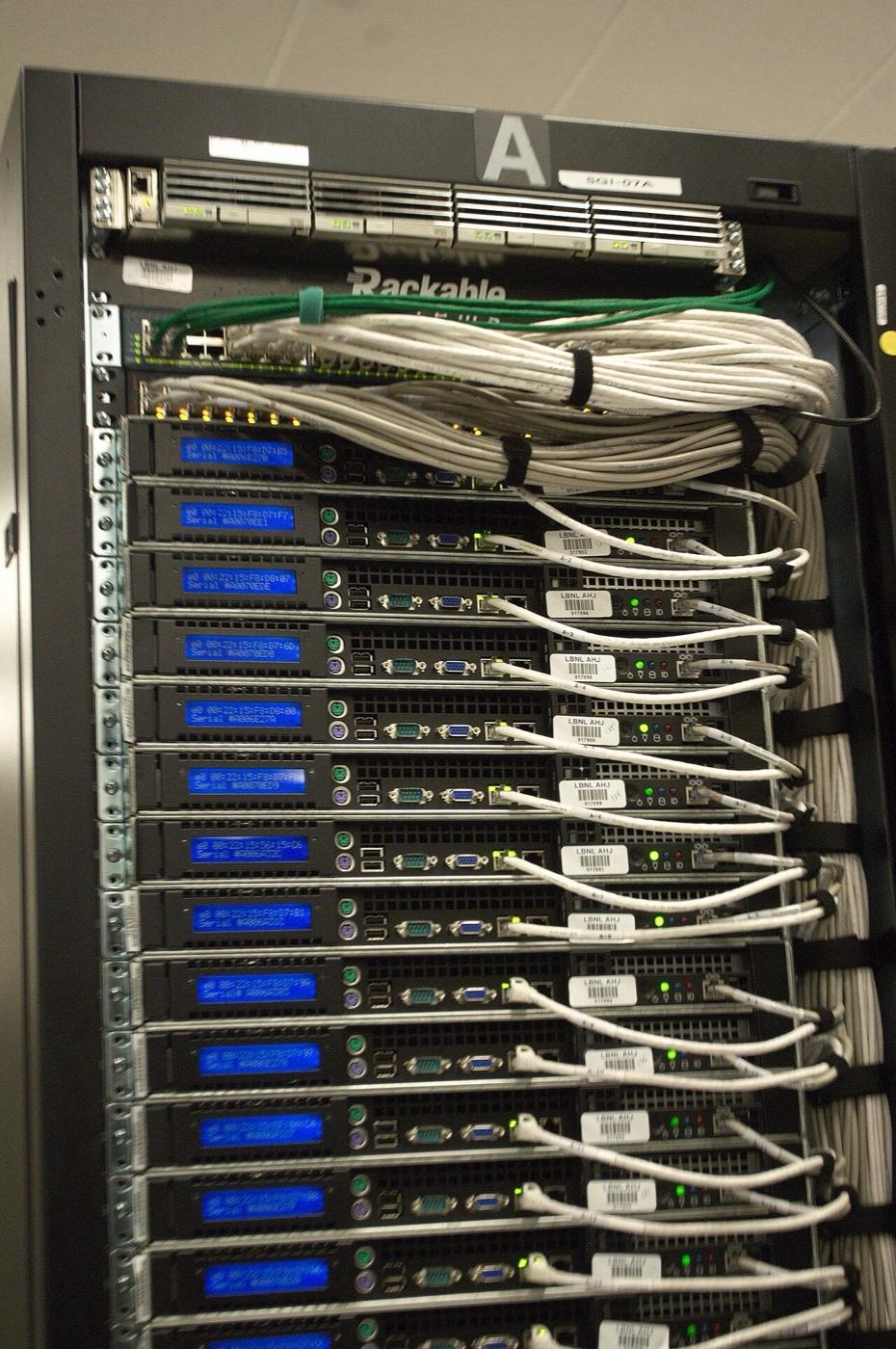
On your servers or in your cloud
We'd rather install inside your building. If your IT already runs on a cloud provider, we build there and pick a data centre in Germany.
- Our default
Your own hardware
Your data centre, your server room or a single computer in the office. The model runs there without an internet connection, and no document leaves the building.
Hetzner
Data centres in Nuremberg and Falkenstein
AWS
Frankfurt region
Microsoft Azure
Frankfurt region
Google Cloud
Frankfurt and Berlin regions
The AI we work with
We aren't tied to any vendor. For confidential data we use open models that run on your side. When the data is allowed to leave the building, a cloud model is sometimes cheaper or better, and then we'll tell you so.
Local runtimes
The software that runs a model on your hardware, from a laptop to a GPU server.
Runs offline
- llama.cpp
- Ollama
- vLLM
Open models
Models whose weights we download and run on your side. We test them on your own documents first.
Runs offline
- Mistral
- Llama
- Qwen
Agents
Assistants that handle several steps on their own and use tools along the way. With a local model they stay in-house too.
Offline with a local model
- OpenClaw
- Hermes Agent
- ZeroClaw
Cloud models
For work without confidential data, or when a project needs the strongest models available.
Needs internet
- OpenAI
- Anthropic
- Gemini
Plus other models and libraries, depending on what your project needs.
The founders
Many of the companies we spoke to wanted to use AI but couldn't let their data leave the building. So we build AI that runs on their side.

Dev Tanna
Co-founder

Konrad Bryczkowski
Co-founder
How a project runs
First call
30 minutes on video. You tell us which documents cause the work. We tell you honestly whether AI helps or whether something simpler would do.
Trial run
We test with a handful of real documents from your day-to-day work. If they can't leave the building, the test runs on a machine at your site. Afterwards you know which fields are read reliably and where a person should check.
Build
We set up the model, the integration and the interface, and test them with the people who will use them.
Handover and operation
You get documentation and a walkthrough. If you like, we keep looking after updates and new document types.
Common questions
Do the systems need an internet connection?
No. The model is installed once and then works without any outside connection. Your IT team decides whether and how updates are applied.
How accurate is the extraction?
That depends on your documents: scan quality, how varied the layouts are, handwriting. That's why we measure accuracy in the trial run on your real documents. Fields the model is unsure about go to a person for review instead of into your system unchecked.
Is this GDPR compliant?
When the model runs on your side, the trickiest part goes away: no data goes to an AI provider, so none goes to a third country either. The GDPR still applies to the processing itself. We help you document the technical and organizational measures properly.
What hardware do I need?
For small volumes a recent computer is often enough. ParseFlow, for example, runs on an Apple silicon Mac with 8 GB of memory. For many documents a day or several users we recommend a server with a GPU. We work out the numbers for your volume during the trial run.
Do you also work with cloud models?
Yes, when your data allows it and it makes sense for the task. For some projects a large cloud model is the better choice. We'll tell you when a local model is enough and when it isn't.
What does a project cost?
It depends on the document types, the volume and the integration. After the trial run you get a written quote that says what will be built and what it costs.
Which documents are you still typing up by hand?
Tell us about them. In 30 minutes you'll know whether AI is worth it for your case and how it could run on your side. We reply to messages within two working days.